
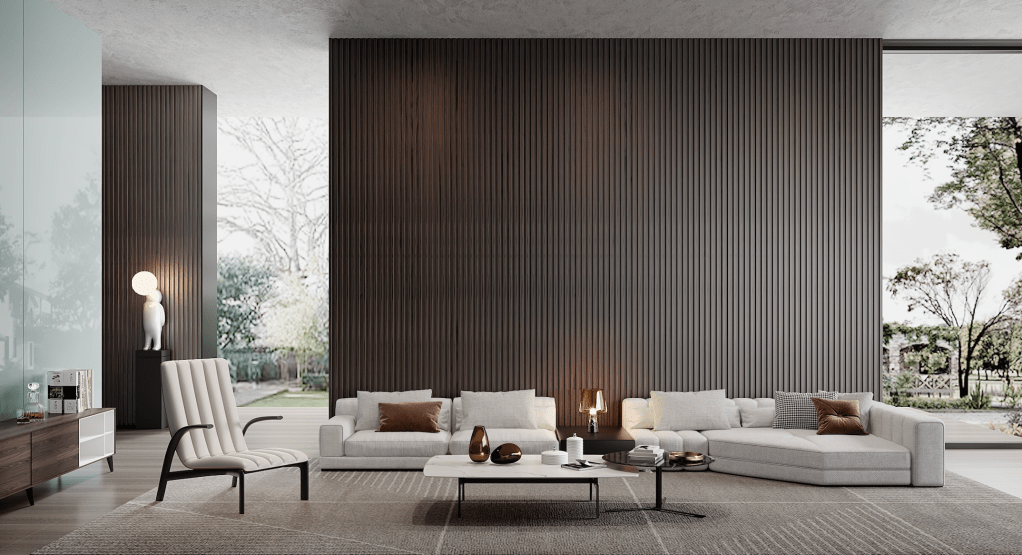
This FAQ section is designed to make things easier for you. We’ve collected the questions that come up most frequently and answered them as simply as possible. For anything else, please get in touch. We’re here to support you.
WPC FAQs
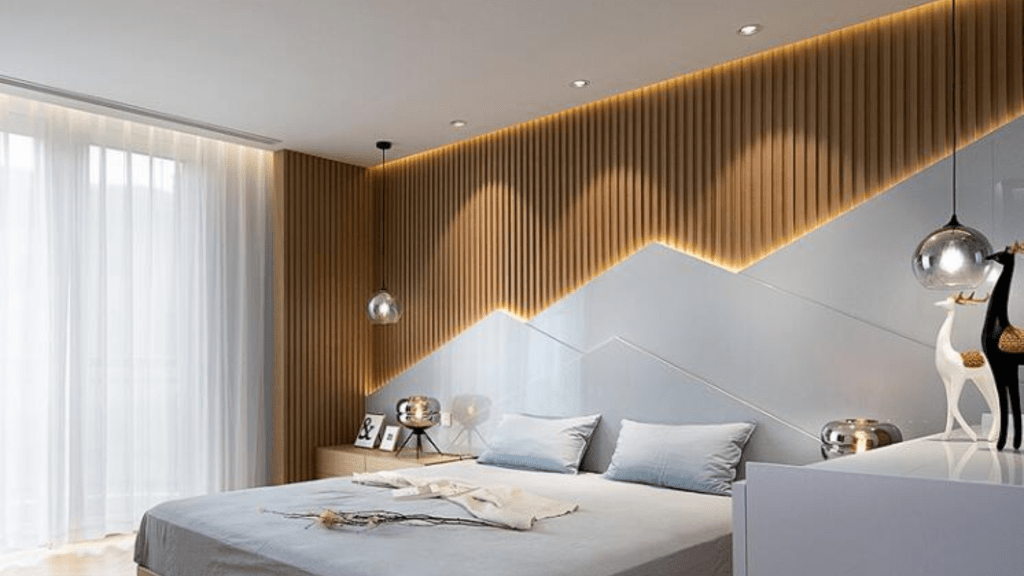
What is WPC?
WPC stands for Wood Plastic Composite — a material made from a blend of natural wood fibers and recycled plastic. It offers the look of wood with enhanced durability, moisture resistance, and low maintenance.
What makes ZeoTimber WPC different from other WPC brands?
ZeoTimber uses high-grade raw materials, refined co-extrusion technology, and premium protective film wraps to deliver products that are denser, more realistic, and longer-lasting than most standard WPCs in the market.
Where can WPC be used for?
Our WPC products are suitable for:
- Moisture-prone areas (except full submersion)
- Outdoor applications like decks, exterior wall cladding, fences, ceilings
- Indoor spaces such as feature walls, ceilings, and even select furniture accents
Will the color fade over time?
For outdoor WPC like decking and wall cladding, ZeoTimber applies UV inhibitors and protective coatings to minimize fading. While minimal fading may occur over years of sun exposure, our products retain their color better than most standard WPC brands.
Is WPC waterproof?
Yes. ZeoTimber WPC is highly water-resistant, making it ideal for outdoor use and damp environments. It will not rot, warp, or swell like natural wood when exposed to rain or humidity.
Is WPC termite-proof?
Yes. Unlike natural wood, WPC is inherently termite-resistant because it contains no cellulose for pests to feed on.
Is it safe for homes with children or pets?
Absolutely. ZeoTimber WPC is non-toxic, splinter-free, and formaldehyde-free (especially with our charcoal and film-wrapped panels), making it safe for families.
How does WPC perform compared to real wood?
WPC offers similar aesthetics to wood but is:
- More durable and resistant to moisture
- Easier to maintain (no need for repainting or sealing)
- Less prone to warping, cracking, or rotting
- Termite-proof
Can WPC panels be painted or cut?
Yes. Some indoor WPC boards (like charcoal boards) can be cut, scored, or bent with proper tools. Most film-wrapped or co-extruded products are not designed to be painted, as they already have decorative finishes.
How are WPC products installed?
We provide installation guides and can recommend trained installers. Installation varies by product:
- Decking & wall cladding: installed using concealed clips or screw systems
- Ceiling baffles: mounted on metal keels or wooden battens
- Charcoal boards & indoor panels: can be glued directly to flat surfaces
Can WPC be used for ceilings or curved surfaces?
Yes! Products like our charcoal boards and flexible panels can be installed on ceilings or bent into curves with the help of scoring and heating techniques.
Is WPC environmentally friendly?
Yes. ZeoTimber WPC is made from recycled plastic and wood fibers, helping reduce waste. It’s also formaldehyde-free and built to last — reducing the need for frequent replacements.
How do I maintain or clean WPC?
Just clean with soap, water, and a soft brush or cloth. Avoid harsh solvents or steel brushes. For outdoor WPC, occasional rinsing is enough to keep it looking fresh.
What sizes or colors are available?
We offer a wide range of sizes, profiles, colors, and film textures. Custom orders are also available for bulk projects. Please contact us or browse our catalog for details.
Do you provide delivery or installation services?
Yes. We can arrange delivery nationwide, and we work with a network of experienced installers. Whether you’re a homeowner, contractor, or developer, we can help coordinate installation support for your project.
SPC Flooring FAQs
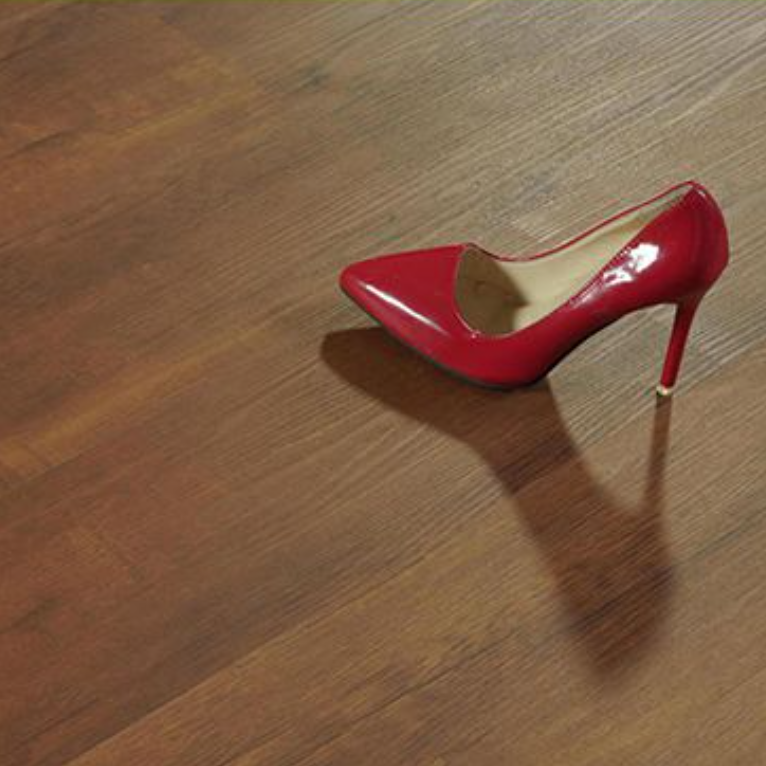
What is SPC Flooring?
SPC (Stone Plastic Composite) flooring is a type of rigid core vinyl flooring made from a blend of natural limestone powder, PVC, and stabilizers. It’s known for being highly durable, waterproof, and easy to install.
What makes SPC different from WPC?
SPC is denser and more rigid due to its stone-based core, offering higher impact resistance and better dimensional stability. WPC is slightly softer underfoot and better at sound absorption.
Where can SPC flooring be used?
SPC is suitable for almost any indoor space, including living rooms, bedrooms, kitchens, bathrooms, basements, and even light commercial areas.
Is SPC flooring waterproof?
Yes. One of SPC’s main advantages is its 100% waterproof core, making it ideal for wet areas like bathrooms and laundry rooms.
Can SPC flooring be installed over existing flooring?
Yes. SPC can be installed over most hard surfaces, such as tile, vinyl, or concrete, as long as the subfloor is clean, dry, and level.
Is SPC flooring scratch-resistant?
Yes. SPC has a durable wear layer that resists scratches, stains, and scuffs. However, using furniture pads and avoiding dragging heavy items is still recommended.
How do you clean SPC flooring?
Regular sweeping or vacuuming is sufficient. For deeper cleaning, use a damp mop and a mild vinyl-safe cleaner. Avoid using abrasive or harsh chemicals.
Is SPC flooring suitable for homes with pets and children?
Absolutely. SPC is durable, completely waterproof, and easy to maintain, making it an excellent choice for households with children and pets.
Can SPC handle temperature and humidity changes?
Yes. SPC is highly dimensionally stable and does not expand or contract significantly with changes in temperature or humidity, unlike traditional wood.
Is SPC flooring soundproof?
SPC provides good sound insulation, especially if it has an attached acoustic underlayment. However, it may not be as quiet as carpet or cork without additional soundproofing layers.
Can SPC flooring be used outdoors?
SPC flooring is not recommended for outdoor use. Although it is highly durable and 100% waterproof, it is specifically designed for indoor environments. Prolonged exposure to direct sunlight, extreme temperatures, and outdoor moisture can lead to fading, expansion, or other forms of damage.
Is SPC fire-resistant?
Yes, SPC flooring has good fire-resistant properties. Its stone-based core and vinyl surface are designed to be flame-retardant and meet standard fire safety ratings. However, it is not completely fireproof and should not be exposed to open flames.
Is SPC flooring more affordable than tiles?
SPC flooring is generally more affordable than tiles, especially when you consider the lower installation costs, quicker setup, and minimal labor required.
 ZeoTimber Wood Plastic Composite